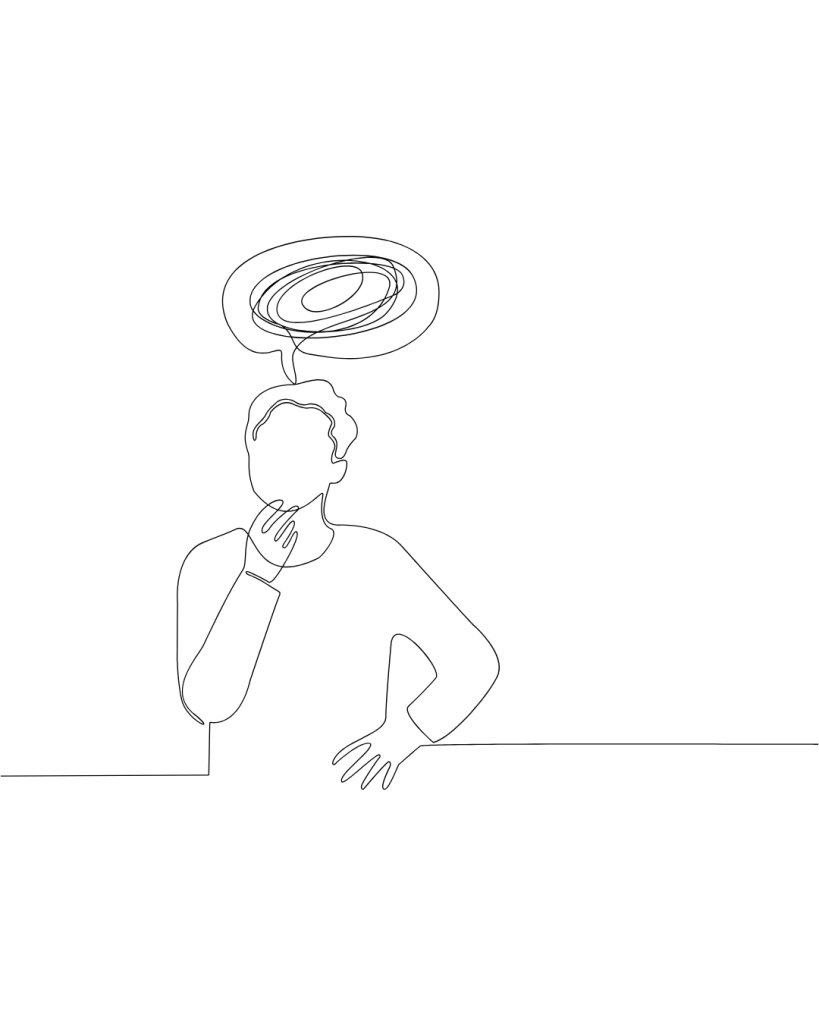
What happens when you begin therapy?
Beginning therapy can feel overwhelming, especially when you are used to holding it all together on your own. This page is here to take the guesswork out of the process, so you know what to expect at each step.
Book a no cost consultation.
The first step is a 15 minute consultation. This is a chance for us to talk over the phone or by video, answer your questions, and explore whether I am the right fit for you. There is no pressure. It is simply a conversation.
Therapy is deeply personal. Your comfort with your therapist matters just as much as their qualifications. There is no obligation to book further sessions after a consultation. Even if you decide I am not the right fit, I can support you in finding someone who is.
If your goals in therapy do not align with the expertise I bring to the table, I will let you know and work with you to find a therapist who can support you.
Book a 15 Minute ConsultationComplete intake and begin your first session.
If you decide to book a session after our consult, you will receive digital intake forms to complete at your own pace. I review these before our first full session, so you do not spend precious time repeating your story.
In our first session, we will explore what brought you here and begin identifying your goals for therapy. My role is to create a safe, collaborative space where you feel seen, not reduced to a form or diagnosis.
First sessions tend to be more therapist led as I gather the information needed to inform your treatment. From there, we work together to determine what approach best fits your care.
Move through the therapy process together.
Therapy with me is collaborative. Most clients attend therapy biweekly, while others attend monthly. Together, we determine a rhythm that feels supportive and sustainable.
- Explore patterns, relationships, and the weight you have been carrying.
- Discuss external factors contributing to that weight.
- Clarify your values and map out tangible steps toward them.
- Build practical skills for emotional regulation and interpersonal effectiveness.
- Use evidence based approaches to support real change.
- Create a safe space for your complexity.
- Work at a pace that feels sustainable and compassionate.
Reflect, grow, and transition with care.
At different points, we will pause to reflect on your progress. You may notice yourself feeling more grounded, more connected to a life you value, and less driven by shame or shoulds.
When it feels like the right time, we will plan together for either concluding therapy or shifting to a lighter level of support. My door always stays open. Many clients return when new seasons of life bring fresh challenges.
Ready to begin?
If you are curious about whether therapy with me could be a good fit, your next step is simple: book a no cost consultation.
You do not have to keep carrying it alone. Let’s begin, together.
Book a 15 Minute Consultation