
A diagnosis can explain a lot. It can also change how you understand everything that came before.
Relational counselling for adults processing a late diagnosis, self-discovery, identity shifts, masking, grief, relief, and the question of what changes now that you understand yourself differently.
Support in Calgary, Cochrane, and across Alberta
Receiving a diagnosis in adulthood can bring relief, grief, anger, validation, confusion, and sometimes all of those at once. You may finally have language for patterns that have followed you for years, while also wondering what might have been different if you had understood yourself sooner.
At The Right Room, late diagnosis and identity counselling gives you space to process what the diagnosis means beyond the label itself. We can revisit your history through a more accurate lens, explore masking and adaptation, make room for grief and relief, and begin deciding what you want to keep, change, disclose, accommodate, or understand differently moving forward.
What Therapy Can Make Room For
More than learning what the diagnosis means.
A diagnosis can offer an explanation without automatically telling you what to do with that explanation. Therapy can be a place to understand what the diagnosis changes, what it does not change, and how you want to relate to yourself now.
01
A new lens on your history
A late diagnosis often reorganizes the past. Experiences once understood as laziness, sensitivity, instability, failure, stubbornness, or not trying hard enough may begin to look different. We can revisit those experiences with more context and less shame without rewriting your entire life into a diagnosis.
02
Room for grief and relief
Relief and grief often coexist after a late diagnosis. You may feel deeply validated while also grieving years spent misunderstood, unsupported, misdiagnosed, masking, or blaming yourself. Therapy makes room for both without forcing the diagnosis to be either entirely liberating or entirely painful.
03
A stronger sense of who you are
Diagnosis can raise questions about where the diagnosis ends and you begin. We can explore which traits feel central to your identity, which behaviours developed as adaptations, what masking has cost you, and what it might look like to build a life that fits you more honestly.
What We May Explore
A space to understand what this changes for you.
This work is intentionally collaborative and individualized. We may spend time on grief, identity, masking, relationships, disclosure, accommodations, self-advocacy, internalized shame, or revisiting old experiences with new information. The diagnosis gives us context, but it does not become the only story in the room.
01
Making sense of the diagnosis
We can begin with what the diagnosis means to you. That may include what fits, what does not, what questions remain, what changed immediately, and what feels surprisingly unchanged. There is no requirement to feel grateful, devastated, relieved, or certain about it.
02
Grief for what you did not know sooner
Many adults grieve the support, accommodations, language, or self-compassion they might have had earlier. You may wonder how school, work, relationships, parenting, or your sense of self could have been different. Therapy can hold that grief without pretending we can know exactly what another version of your life would have looked like.
03
Masking, adaptation, and authenticity
A late diagnosis can make you question how much of your behaviour is genuine preference and how much developed from years of adapting to expectations. We can explore masking, people-pleasing, overcompensation, perfectionism, scripts, suppression, and the parts of yourself that may have had very little room to exist openly.
04
Disclosure, accommodations, and self-advocacy
Diagnosis may bring decisions about who to tell, what to request at work or school, which supports to pursue, how to explain your needs to family, or whether you want the diagnosis to be visible at all. Therapy can help you think through those choices in a way that protects your privacy, values, relationships, and practical needs.
05
Relationships through a new lens
Diagnosis can change how you interpret conflict, communication, sensory needs, emotional responses, executive functioning, boundaries, or long-standing family dynamics. It may also change what you need from the people around you. We can work on communicating that without turning every disagreement into a diagnostic explanation.
06
Internalized shame and rebuilding self-trust
Years of being misunderstood can leave behind beliefs like I am lazy, dramatic, difficult, broken, selfish, weak, or too much. A diagnosis does not erase those beliefs automatically. Therapy can help you examine where they came from, replace moral judgments with more accurate explanations, and rebuild trust in your own needs and perceptions.
07
Building a life that fits more honestly
Eventually, the work may shift from understanding the diagnosis to deciding what you want to do with that understanding. That might mean changing routines, reducing masking, asking for accommodations, protecting sensory needs, setting different boundaries, finding community, or simply treating yourself with more accuracy and less punishment.
Who This Approach Is Designed For
There is no single way to process a late diagnosis.

This approach is designed for adults who are:
- Recently diagnosed with ADHD, autism, bipolar disorder, BPD, or another mental health or neurodevelopmental condition in adulthood
- Self-identifying with a diagnosis or neurodivergent identity and trying to understand whether that framework fits
- Feeling relief that something finally makes sense while also experiencing grief, anger, or confusion
- Reinterpreting childhood, school, work, relationships, or previous mental health experiences through a new lens
- Questioning masking, people-pleasing, overcompensation, perfectionism, or other adaptations that once helped you function
- Trying to decide what you want to disclose, accommodate, change, accept, or understand differently moving forward
Many of my clients arrive with years of self-awareness but a brand-new explanation for why certain things have always been harder. They are not looking to turn themselves into a diagnosis. They are looking for context, self-understanding, room to grieve, and a more accurate way of relating to themselves.
If you want a therapy process that takes diagnosis seriously without letting it swallow your identity, makes room for both validation and complexity, and helps you decide what this understanding means in your actual life, this approach may be a good fit.
Counselling Locations
Support in Calgary, Cochrane, and online across Alberta.
Late diagnosis and identity counselling is available in person at both The Right Room locations, as well as virtually for clients located anywhere in Alberta.

In Person
Cochrane
In-person late diagnosis and identity counselling is available from The Right Room’s downtown Cochrane office.
Explore the Cochrane location
In Person
Calgary
In-person late diagnosis and identity counselling is also available from The Right Room’s northwest Calgary location.
Explore the Calgary location
Virtual
Across Alberta
Virtual sessions are available for clients who are physically located in Alberta at the time of their appointment.
Learn about virtual counsellingFlexible Access
Whether you prefer meeting in person or from the comfort of your own space, therapy is tailored to what the diagnosis has brought up for you, including identity, relationships, grief, masking, disclosure, accommodations, self-advocacy, and the questions that still feel unresolved.
Frequently Asked Questions
Questions about late diagnosis and identity counselling.
A diagnosis can answer one set of questions and create another. Here are answers to some common questions about therapy after a late diagnosis or during a period of diagnostic self-discovery.
Do I need a referral to begin late diagnosis and identity counselling?
No. You can self-refer for counselling. You do not need a referral from a family physician or psychiatrist to book a consultation or begin therapy.
If you already work with a physician, psychiatrist, or another health care provider, I can collaborate with them with your written consent.
Do I need a formal diagnosis to begin this kind of counselling?
No. You do not need a formal diagnosis to begin counselling around identity, masking, neurodivergence, or patterns you are trying to understand.
We can work with what you are noticing while remaining clear about the difference between counselling and formal psychological assessment. If diagnostic clarification becomes important, we can discuss appropriate next steps or referrals.
How many sessions will I need?
The number and frequency of sessions depend on what the diagnosis has brought up and what you want from therapy.
Some clients come weekly while they are actively processing the diagnosis or making changes. Others use therapy biweekly or more periodically as a place to integrate what they are learning. This work does not have to follow a predetermined number of sessions.
We regularly review whether the pace of therapy continues to feel useful and sustainable.
How much does late diagnosis and identity counselling cost?
Individual counselling sessions are $235 for 60 minutes.
Insurance reimbursement may be available depending on your benefits provider and plan. A receipt is provided after each appointment for submission to your insurance company.
What if I feel relieved about my diagnosis?
Absolutely. Wanted change can still be emotionally complicated. A new job can bring grief for an old identity. A move can be exciting and lonely. Ending the right relationship can still hurt. Receiving a long-awaited diagnosis can bring relief and anger at the same time.
Therapy does not require you to choose between gratitude and difficulty. More than one feeling can be true at once.
What happens during the first session?
The first session is a conversation about what brings you in and what this season of life has been like. We may talk about what changed, what feels uncertain, what you are grieving, what you are hoping for, and the people or pressures surrounding the transition.
You do not need to arrive with goals written out. We can discover together what would make therapy feel useful.
What should I do if I am in crisis?
The Right Room is not an emergency or crisis service. If you are at immediate risk of harming yourself or someone else, call 911 or go to the nearest emergency department.
If the diagnosis or identity process is also bringing significant depression, hopelessness, self-harm, substance use, or other safety concerns, we can address those directly and create an appropriate support or safety plan as part of your care.
Still Unsure?
A no-cost 15-minute consultation gives you an opportunity to ask questions, discuss what you are looking for, and determine whether working together feels like the right next step.

Meet Your Therapist
Structured care with a real human.
Hi, I’m Hannah Tan, Registered Provisional Psychologist and founder of The Right Room.
I work with adults who are newly diagnosed, questioning a diagnosis, or trying to understand themselves through a new neurodivergent or mental health framework. This can include ADHD, autism, bipolar disorder, BPD, and other complex presentations. My approach is relational, strengths-based, and clinically informed, drawing from ACT, narrative ideas, grief-informed work, identity exploration, and practical support when useful.
Late diagnosis work often sits somewhere between psychoeducation and deeper identity work. I can offer clinical context, questions, reflection, and practical tools, but the goal is not to teach you how to become a better version of your diagnosis. The work is helping you understand yourself with more accuracy and decide what support, change, acceptance, or advocacy actually fits.
You do not have to decide whether the diagnosis is your identity, just one part of it, or something you are still unsure about. We can make room for relief, scepticism, grief, pride, anger, curiosity, and contradiction without forcing you into a particular way of understanding yourself.
Ready When You Are
You are still you. You may just understand yourself differently now.
A late diagnosis can change the story you tell about yourself without changing the person who lived it. If you are looking for a thoughtful, relational place to make sense of what this new understanding means, I would be glad to meet you.
What Therapy Can Make Room For
More than learning what the diagnosis means.
A diagnosis can offer an explanation without automatically telling you what to do with that explanation. Therapy can be a place to understand what the diagnosis changes, what it does not change, and how you want to relate to yourself now.
01
A new lens on your history
A late diagnosis often reorganizes the past. Experiences once understood as laziness, sensitivity, instability, failure, stubbornness, or not trying hard enough may begin to look different. We can revisit those experiences with more context and less shame without rewriting your entire life into a diagnosis.
02
Room for grief and relief
Relief and grief often coexist after a late diagnosis. You may feel deeply validated while also grieving years spent misunderstood, unsupported, misdiagnosed, masking, or blaming yourself. Therapy makes room for both without forcing the diagnosis to be either entirely liberating or entirely painful.
03
A stronger sense of who you are
Diagnosis can raise questions about where the diagnosis ends and you begin. We can explore which traits feel central to your identity, which behaviours developed as adaptations, what masking has cost you, and what it might look like to build a life that fits you more honestly.
What We May Explore
A space to understand what this changes for you.
This work is intentionally collaborative and individualized. We may spend time on grief, identity, masking, relationships, disclosure, accommodations, self-advocacy, internalized shame, or revisiting old experiences with new information. The diagnosis gives us context, but it does not become the only story in the room.
01
Making sense of the diagnosis
We can begin with what the diagnosis means to you. That may include what fits, what does not, what questions remain, what changed immediately, and what feels surprisingly unchanged. There is no requirement to feel grateful, devastated, relieved, or certain about it.
02
Grief for what you did not know sooner
Many adults grieve the support, accommodations, language, or self-compassion they might have had earlier. You may wonder how school, work, relationships, parenting, or your sense of self could have been different. Therapy can hold that grief without pretending we can know exactly what another version of your life would have looked like.
03
Masking, adaptation, and authenticity
A late diagnosis can make you question how much of your behaviour is genuine preference and how much developed from years of adapting to expectations. We can explore masking, people-pleasing, overcompensation, perfectionism, scripts, suppression, and the parts of yourself that may have had very little room to exist openly.
04
Disclosure, accommodations, and self-advocacy
Diagnosis may bring decisions about who to tell, what to request at work or school, which supports to pursue, how to explain your needs to family, or whether you want the diagnosis to be visible at all. Therapy can help you think through those choices in a way that protects your privacy, values, relationships, and practical needs.
05
Relationships through a new lens
Diagnosis can change how you interpret conflict, communication, sensory needs, emotional responses, executive functioning, boundaries, or long-standing family dynamics. It may also change what you need from the people around you. We can work on communicating that without turning every disagreement into a diagnostic explanation.
06
Internalized shame and rebuilding self-trust
Years of being misunderstood can leave behind beliefs like I am lazy, dramatic, difficult, broken, selfish, weak, or too much. A diagnosis does not erase those beliefs automatically. Therapy can help you examine where they came from, replace moral judgments with more accurate explanations, and rebuild trust in your own needs and perceptions.
07
Building a life that fits more honestly
Eventually, the work may shift from understanding the diagnosis to deciding what you want to do with that understanding. That might mean changing routines, reducing masking, asking for accommodations, protecting sensory needs, setting different boundaries, finding community, or simply treating yourself with more accuracy and less punishment.
Who This Approach Is Designed For
There is no single way to process a late diagnosis.
This approach is designed for adults who are:
- Recently diagnosed with ADHD, autism, bipolar disorder, BPD, or another mental health or neurodevelopmental condition in adulthood
- Self-identifying with a diagnosis or neurodivergent identity and trying to understand whether that framework fits
- Feeling relief that something finally makes sense while also experiencing grief, anger, or confusion
- Reinterpreting childhood, school, work, relationships, or previous mental health experiences through a new lens
- Questioning masking, people-pleasing, overcompensation, perfectionism, or other adaptations that once helped you function
- Trying to decide what you want to disclose, accommodate, change, accept, or understand differently moving forward
Many of my clients arrive with years of self-awareness but a brand-new explanation for why certain things have always been harder. They are not looking to turn themselves into a diagnosis. They are looking for context, self-understanding, room to grieve, and a more accurate way of relating to themselves.
If you want a therapy process that takes diagnosis seriously without letting it swallow your identity, makes room for both validation and complexity, and helps you decide what this understanding means in your actual life, this approach may be a good fit.
Counselling Locations
Support in Calgary, Cochrane, and online across Alberta.
Late diagnosis and identity counselling is available in person at both The Right Room locations, as well as virtually for clients located anywhere in Alberta.

In Person
Cochrane
In-person late diagnosis and identity counselling is available from The Right Room’s downtown Cochrane office.
Explore the Cochrane location
In Person
Calgary
In-person late diagnosis and identity counselling is also available from The Right Room’s northwest Calgary location.
Explore the Calgary location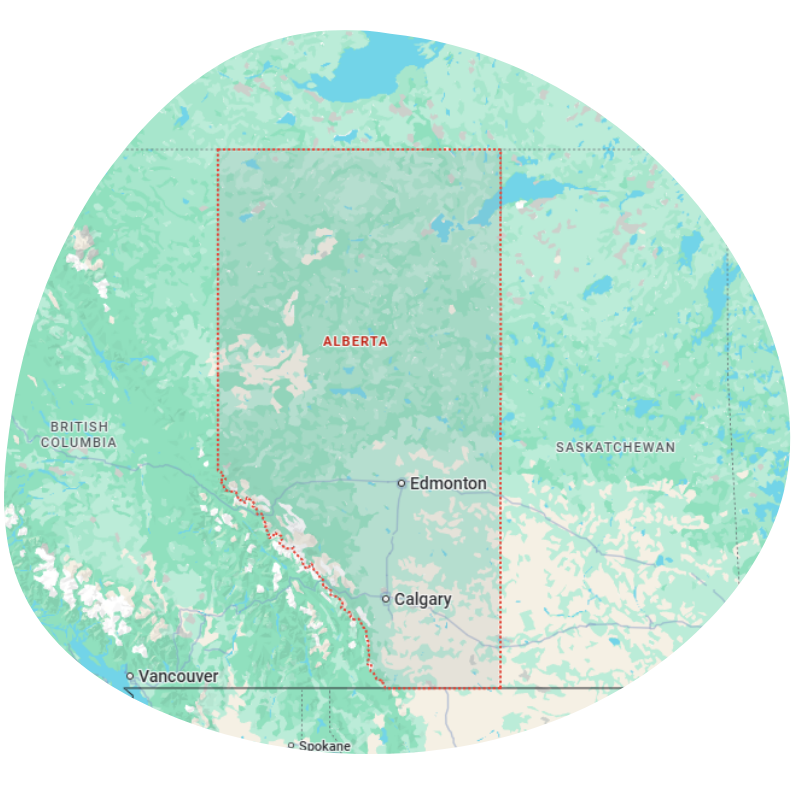
Virtual
Across Alberta
Virtual sessions are available for clients who are physically located in Alberta at the time of their appointment.
Learn about virtual counsellingFlexible Access
Whether you prefer meeting in person or from the comfort of your own space, therapy is tailored to what the diagnosis has brought up for you, including identity, relationships, grief, masking, disclosure, accommodations, self-advocacy, and the questions that still feel unresolved.
Frequently Asked Questions
Questions about late diagnosis and identity counselling.
A diagnosis can answer one set of questions and create another. Here are answers to some common questions about therapy after a late diagnosis or during a period of diagnostic self-discovery.
Do I need a referral to begin late diagnosis and identity counselling?
No. You can self-refer for counselling. You do not need a referral from a family physician or psychiatrist to book a consultation or begin therapy.
If you already work with a physician, psychiatrist, or another health care provider, I can collaborate with them with your written consent.
Do I need a formal diagnosis to begin this kind of counselling?
No. You do not need a formal diagnosis to begin counselling around identity, masking, neurodivergence, or patterns you are trying to understand.
We can work with what you are noticing while remaining clear about the difference between counselling and formal psychological assessment. If diagnostic clarification becomes important, we can discuss appropriate next steps or referrals.
How many sessions will I need?
The number and frequency of sessions depend on what the diagnosis has brought up and what you want from therapy.
Some clients come weekly while they are actively processing the diagnosis or making changes. Others use therapy biweekly or more periodically as a place to integrate what they are learning. This work does not have to follow a predetermined number of sessions.
We regularly review whether the pace of therapy continues to feel useful and sustainable.
How much does late diagnosis and identity counselling cost?
Individual counselling sessions are $235 for 60 minutes.
Insurance reimbursement may be available depending on your benefits provider and plan. A receipt is provided after each appointment for submission to your insurance company.
What if I feel relieved about my diagnosis?
Absolutely. Wanted change can still be emotionally complicated. A new job can bring grief for an old identity. A move can be exciting and lonely. Ending the right relationship can still hurt. Receiving a long-awaited diagnosis can bring relief and anger at the same time.
Therapy does not require you to choose between gratitude and difficulty. More than one feeling can be true at once.
What happens during the first session?
The first session is a conversation about what brings you in and what this season of life has been like. We may talk about what changed, what feels uncertain, what you are grieving, what you are hoping for, and the people or pressures surrounding the transition.
You do not need to arrive with goals written out. We can discover together what would make therapy feel useful.
What should I do if I am in crisis?
The Right Room is not an emergency or crisis service. If you are at immediate risk of harming yourself or someone else, call 911 or go to the nearest emergency department.
If the diagnosis or identity process is also bringing significant depression, hopelessness, self-harm, substance use, or other safety concerns, we can address those directly and create an appropriate support or safety plan as part of your care.
Still Unsure?
A no-cost 15-minute consultation gives you an opportunity to ask questions, discuss what you are looking for, and determine whether working together feels like the right next step.
Meet Your Therapist
Structured care with a real human.
Hi, I’m Hannah Tan, Registered Provisional Psychologist and founder of The Right Room.
I work with adults who are newly diagnosed, questioning a diagnosis, or trying to understand themselves through a new neurodivergent or mental health framework. This can include ADHD, autism, bipolar disorder, BPD, and other complex presentations. My approach is relational, strengths-based, and clinically informed, drawing from ACT, narrative ideas, grief-informed work, identity exploration, and practical support when useful.
Late diagnosis work often sits somewhere between psychoeducation and deeper identity work. I can offer clinical context, questions, reflection, and practical tools, but the goal is not to teach you how to become a better version of your diagnosis. The work is helping you understand yourself with more accuracy and decide what support, change, acceptance, or advocacy actually fits.
You do not have to decide whether the diagnosis is your identity, just one part of it, or something you are still unsure about. We can make room for relief, scepticism, grief, pride, anger, curiosity, and contradiction without forcing you into a particular way of understanding yourself.
Ready When You Are
You are still you. You may just understand yourself differently now.
A late diagnosis can change the story you tell about yourself without changing the person who lived it. If you are looking for a thoughtful, relational place to make sense of what this new understanding means, I would be glad to meet you.